Ford Fiesta Mk7 — an overview
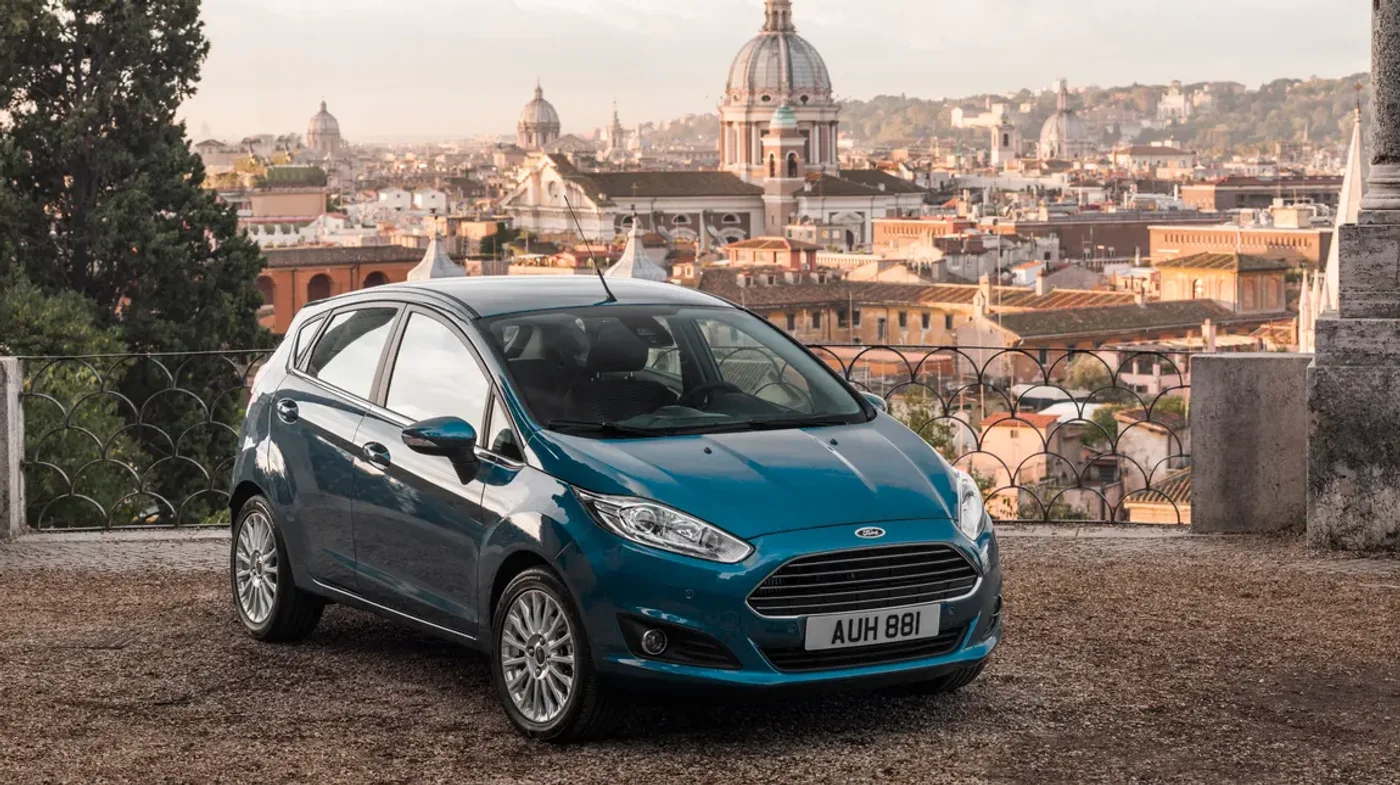
The Ford Fiesta Mk7 is an important chapter in the story of British small cars. Introduced in 2008 and succeeded in 2017, it remains a familiar sight and a common used-car choice. Its compact dimensions make sense for town driving, while the availability of different engines, equipment levels and three- or five-door bodies means one Fiesta can feel quite different from another.
The Mk7 name is generally used in the UK for the 2008–2017 Fiesta generation, including a substantial mid-life update. It is worth distinguishing these cars from the later Fiesta introduced in 2017: dashboards, bodywork, engines and some maintenance requirements differ. An advert that says only ‘Fiesta’ is not enough to identify the generation correctly.
Living with the Ford Fiesta Mk7
For everyday driving, the Fiesta's appeal begins with its manageable footprint and hatchback practicality. It is straightforward to park compared with larger family cars, and its rear seats and boot can cover ordinary shopping and commuting duties. That does not make every version equally well suited to a family: check the rear-door arrangement, rear-seat access and available boot space on the particular car.
Engines, batteries and driving
Petrol and diesel engines were offered across the generation, with changes over its production life. Some examples use Ford's small-capacity EcoBoost petrol engines. Rather than assuming all Fiestas have the same servicing needs, establish the engine code and follow its specific maintenance schedule. Gearbox choice and driving pattern are worth comparing, particularly between town-focused cars and examples used for regular motorway trips.
Ownership and running costs
At used-car age, condition matters more than trim alone. Look for consistent servicing, evidence of any time-sensitive work, matching tyres, an unambiguous MOT history and receipts for repairs. The correct oil specification and engine-specific timing-belt requirements are particularly important questions for some engines. Check recalls using the vehicle's details, rather than relying on general model advice.