Getting to know Volkswagen
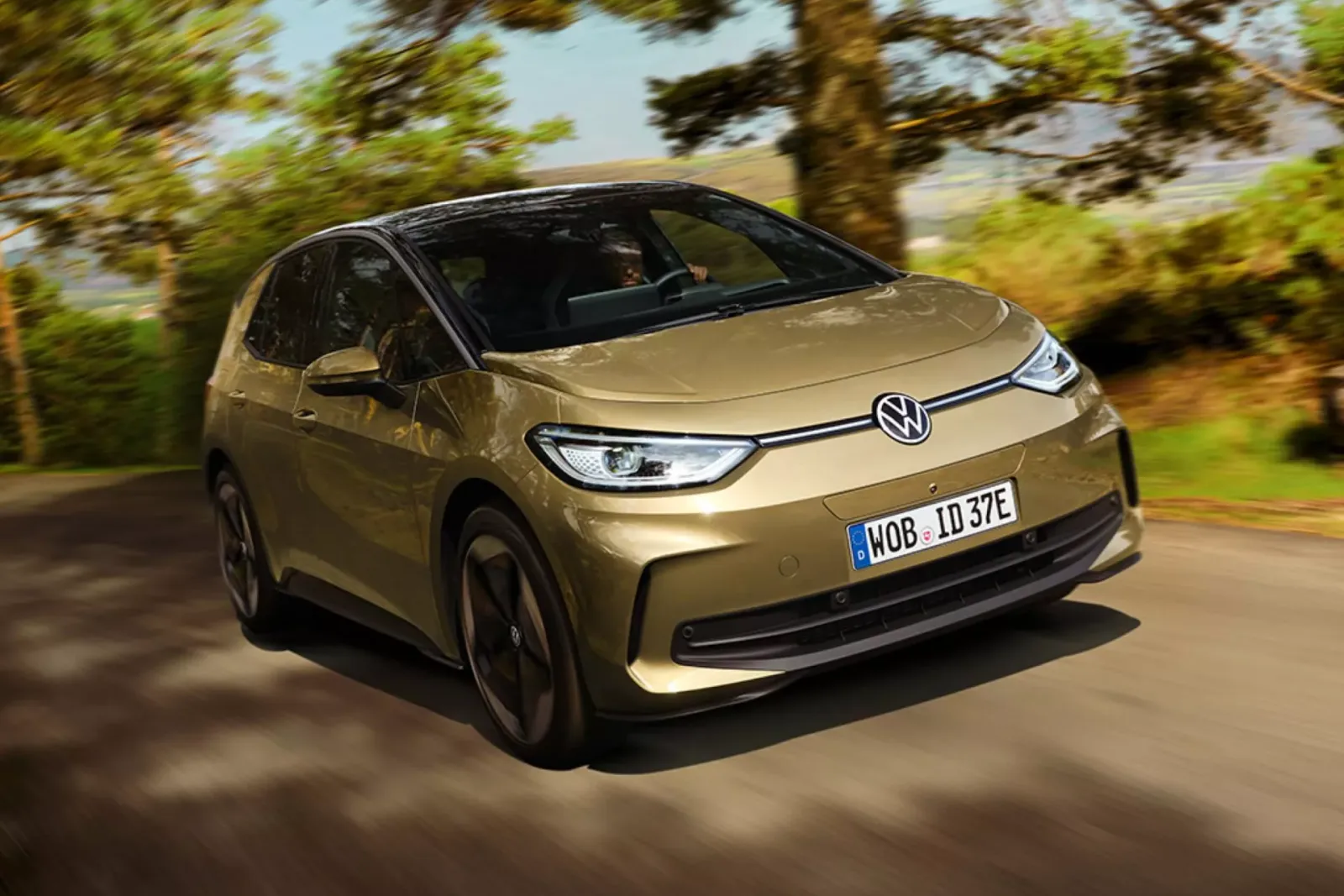
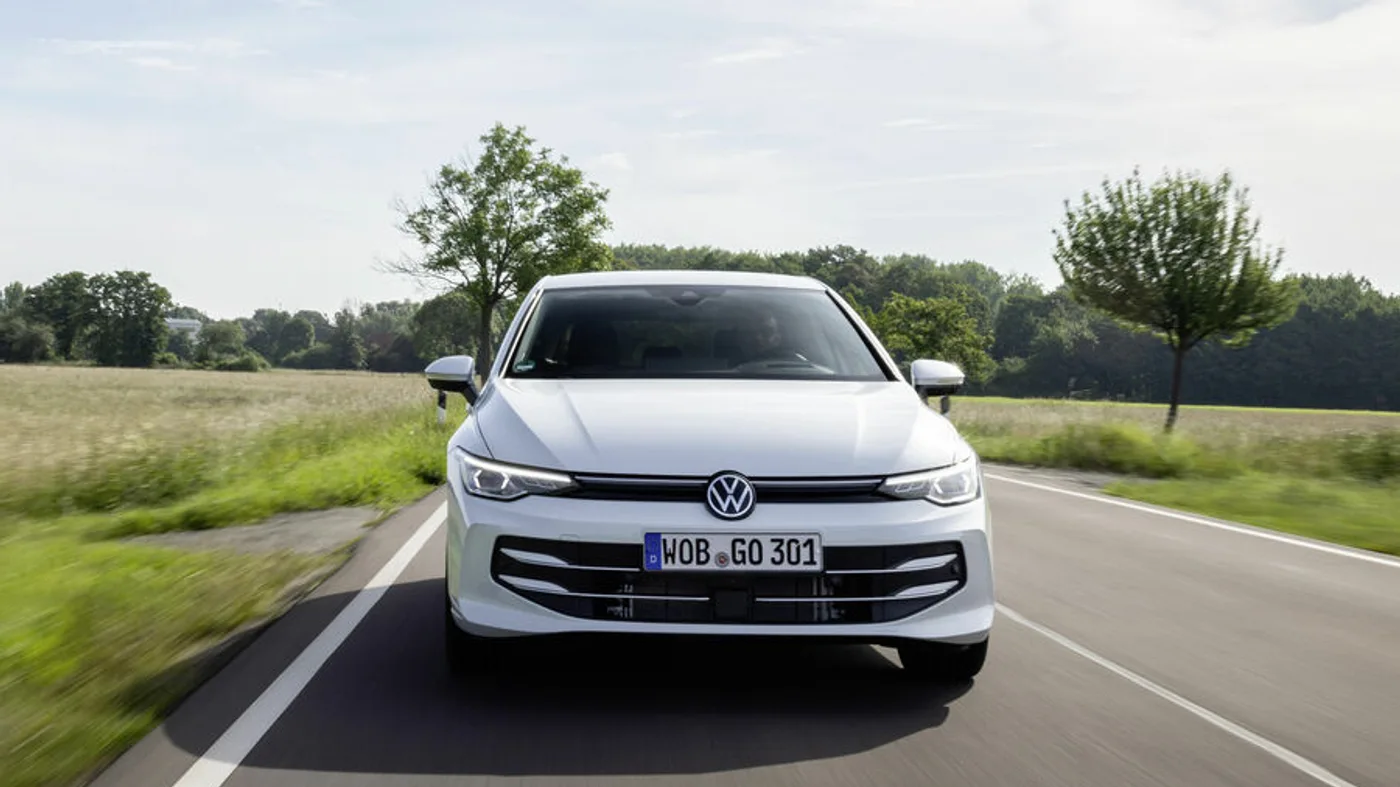
Volkswagen has built a particularly strong identity around cars designed for everyday life. From smaller hatchbacks to family estates and SUVs, its UK line-up has long appealed to drivers looking for a balance of practicality, comfort and familiarity. The brand now spans conventional petrol and diesel vehicles, hybrids and a growing range of electric cars, making it relevant to very different kinds of motorists.
The story behind Volkswagen
Volkswagen's history includes the original Beetle, the enduring Golf and the compact Polo, as well as family models such as the Passat. Its range has gradually expanded to include crossovers and SUVs including the T-Roc, Tiguan and larger alternatives. Electric models under the ID. name represent another significant change, alongside the familiar vehicles that continue to have a large presence on the UK's used roads.
Volkswagen in the UK
The British market offers plenty of variety within the Volkswagen badge. Smaller cars suit urban driving, while hatchbacks, estates and SUVs address different passenger and luggage needs. The electric ID. family adds another set of considerations around battery sizes, charging and longer journeys. With many generations and updates available, it is worth identifying the precise model year and derivative rather than judging a car by its name alone.
Ownership considerations
A Volkswagen's running costs depend heavily on its engine, transmission, age and equipment. For used examples, check the service record, relevant maintenance intervals and how the gearbox and electronic systems behave. For electric cars, examine battery and charging information, software updates and the practical availability of charging. A well-chosen specification and evidence of good upkeep matter more than general assumptions about the marque.